What opening 1000 EV Battery Packs Taught Us: The BMS Rarely Tells You the Real Problem!
The BMS rarely tells you the real situation.
Fault codes are triggered by the BMS detecting an abnormal condition , voltage imbalance, isolation fault, thermal warning. They describe a symptom, not a cause. An EV flagging "reduced range" or "service battery" can mean almost anything from a single loose sensor wire to a genuinely dead pack. The vehicle can't tell the difference, only teardown and diagnosis can.
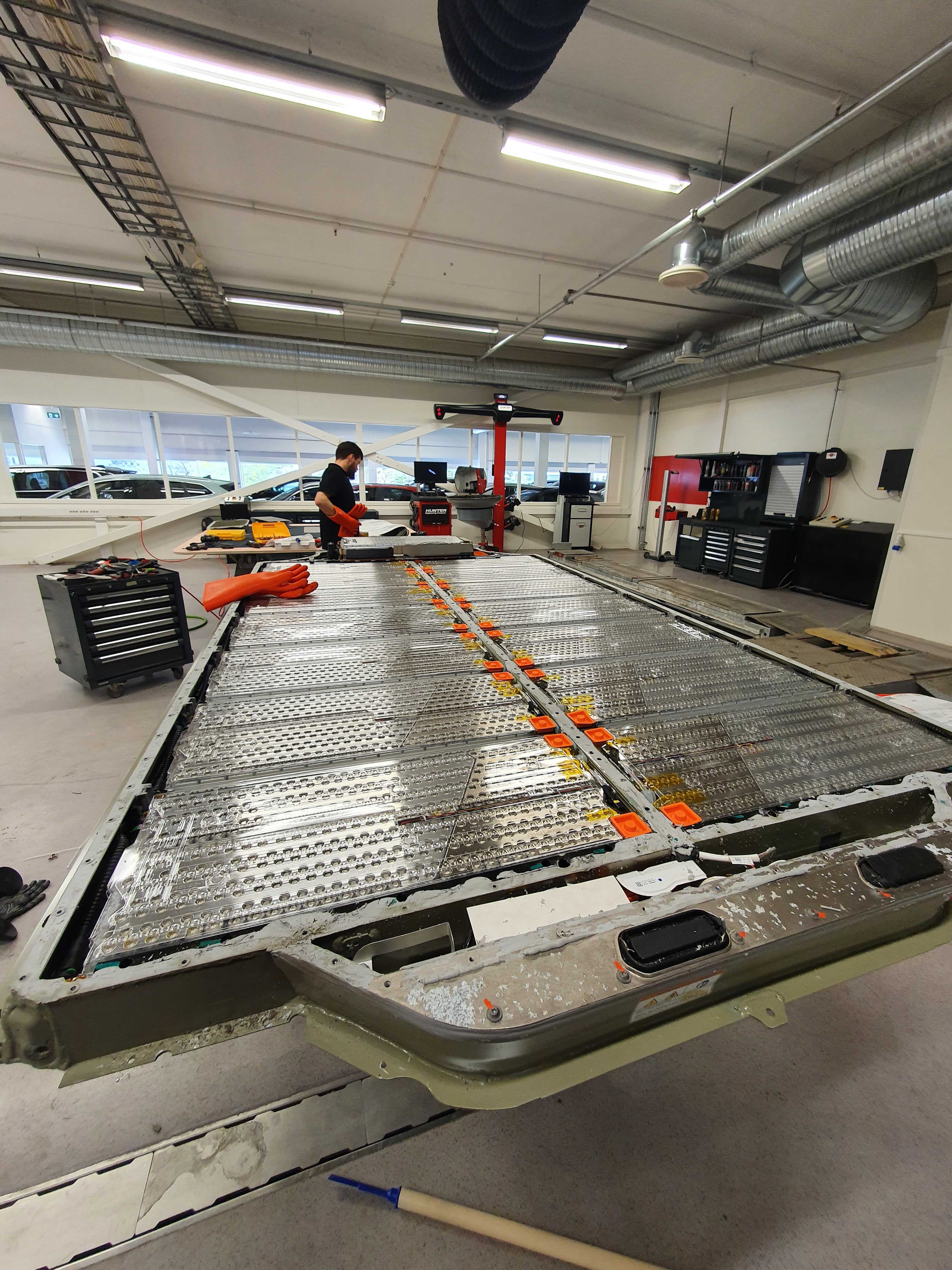
 Across the packs we've opened and re manufactured , three failure modes account for the large majority of what we actually find , regardless of what the dashboard/codes reported:
1.Water and humidity ingress.
Failed seals, tear n wear, harsh conditions, degraded umbrella valves, or connector corrosion let moisture into the pack. Once inside, it causes insulation breakdown and isolation faults long before it does permanent cell damage , meaning the pack is very often salvageable if caught and dried out.
2.Single-cell degradation.
One or a small number of cells degrade or drift out of balance inside an otherwise healthy pack. The BMS reads this as a pack-level fault and derates or disables the whole system, even though the remaining cells are fine. This is arguably the clearest case of a repairable fault being treated as a total failure.
3.Electronics faults
PCBs, wiring harnesses, contactors, and precharge circuits. Contactors can stick or fail to close; precharge circuits fail to bring the DC bus up to voltage before the main contactor closes, which the BMS reports as a battery fault rather than a wiring or component fault. None of this touches the cells themselves.

This pattern is consistent with published failure-mode analyses of battery packs, which point to sealing integrity, BMS function, and mechanical/electrical assembly , not cell chemistry , as the dominant sources of failure. Our experience at volume backs that up: most of what fails first isn't the battery. It's what's around it.
Raw materials — lithium, cobalt, nickel — extracted for a replacement that often wasn't necessary
Embedded manufacturing emissions in a pack that still had years of usable life
Added load on disposal and recycling infrastructure that's already under strain
Shop-and-replace logic makes sense inside a warranty system, where cost is absorbed elsewhere and speed matters more than diagnosis. Outside warranty , which is where an increasing share of the EV fleet now sits , it's neither the cheapest nor the most sustainable option. It's just the default, because component-level diagnosis at this level of expertise isn't widely available yet.
 What happens when batteries reach end of life?
End-of-life lithium-ion batteries usually follow one of four routes.
The first route is reuse or repair. Some batteries, modules or cells can be tested and used again, especially if they still have good capacity and no known damage history.
The second route is second-life use. Batteries no longer suitable for their original application may still work in less demanding uses, such as stationary storage.
The third route is recycling. This is where valuable materials such as lithium, nickel, cobalt, copper and aluminium can be recovered.
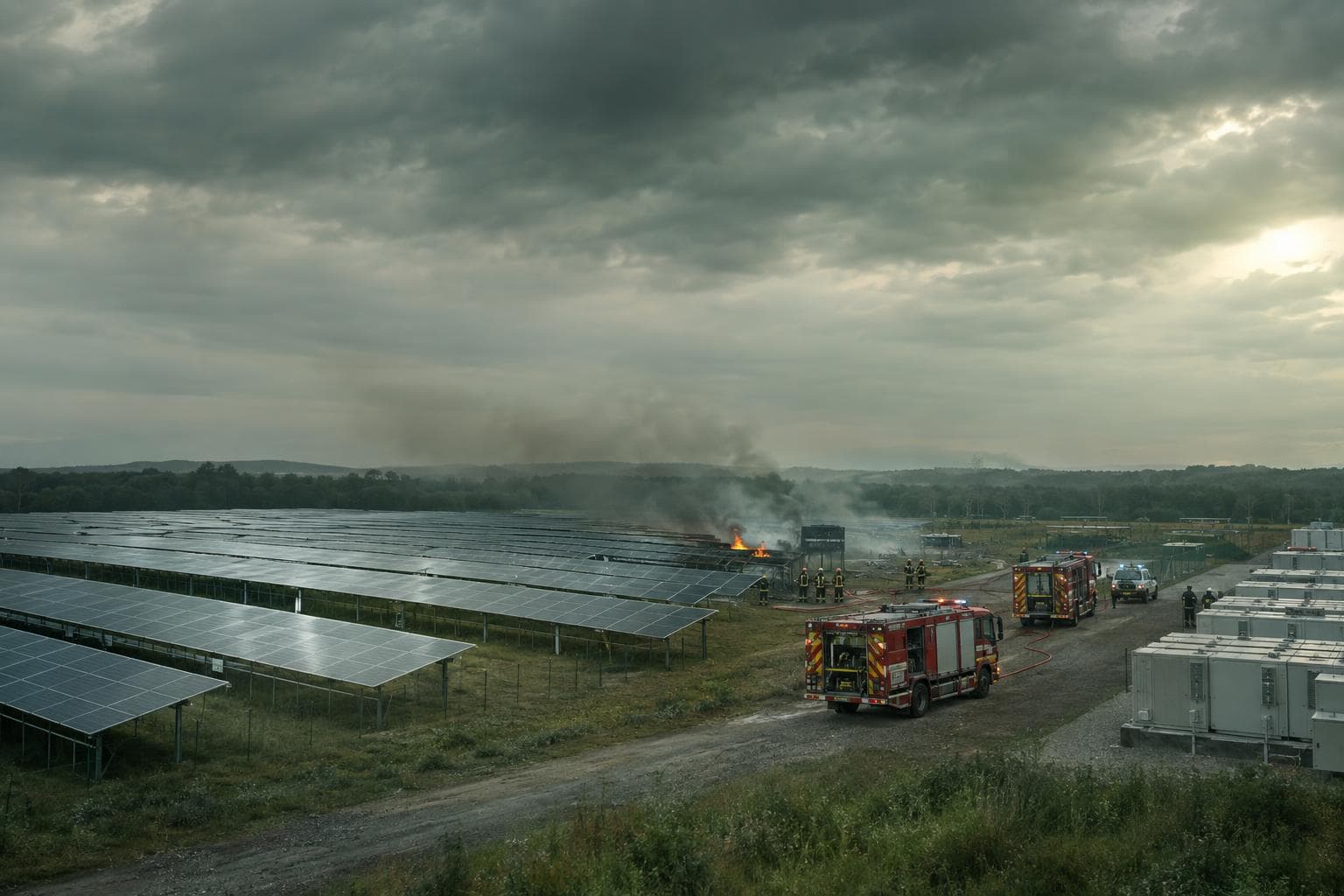
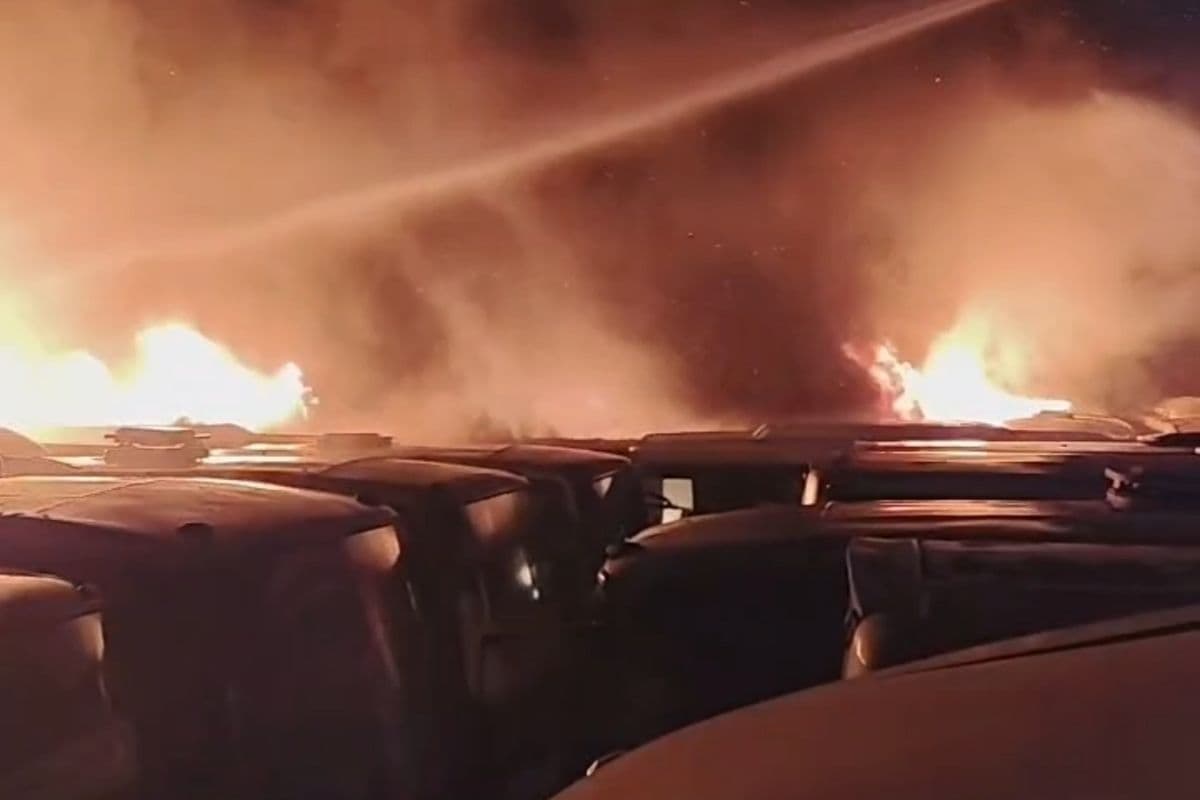
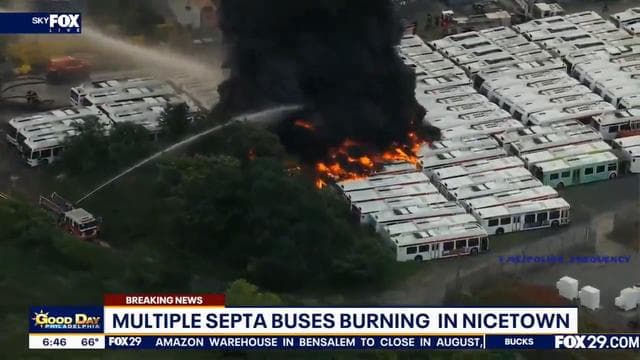
The fourth route is the most dangerous: uncontrolled storage or poor disposal. This can happen when batteries are damaged, unidentified, mixed into general waste, exported without control, stored too long or handled by people without the right equipment.
Expected volumes to be recycled - 170 millions by 2035!
Battery demand is growing fast across mobility, transport and energy storage. We have converted total battery demand into a common unit - 60kWh.
Because one e-bike battery, one truck battery and one grid-storage battery are very different sizes, counting individual batteries can be misleading.
On that basis, the global high-energy battery market grew from about 3 million pack-equivalents in 2020 to 18 million in 2024. In the IEA’s NZE scenario, the market could reach around 100 million pack-equivalents by 2030 and 170 million by 2035.
 These volumes becomes tomorrow’s end-of-life challenge. Even with long battery lifetimes, much of this volume will eventually enter storage, repair, second-life use, transport, dismantling or recycling.
Based on these findings we can conclude that the next battery challenge will not only be about producing more batteries. It will be about handling old, damaged and discarded batteries safely.