Recent Lithium-ion Battery Fires Prompt Renewed Safety Scrutiny Across Multiple Sectors
A series of recent lithium-ion battery fire incidents has renewed focus on battery safety across homes, transport, aviation, micromobility, charging infrastructure, public venues and commercial operations.
The issue is not that lithium-ion batteries are unsafe in general. They are essential to electrification and most operate safely every day. The concern is that when failures do happen, the consequences can escalate quickly depending on where the battery is located and what surrounds it.
A battery event inside an aircraft becomes an aviation safety issue. A battery fire in an apartment or shelter becomes a public safety issue. A battery fire in a depot, workshop, dealership or charging site can become an operational, insurance and business-continuity issue.
This is why the discussion is changing. Battery safety is no longer only about the battery itself. It is about people, buildings, infrastructure, operations and continuity.
Here are just a few of the cases we have registered from recent public reports and incident lists:
2 June 2026, American Airlines: A passenger e-cigarette began to overheat during a flight from Sydney to Los Angeles.
10 June 2026, American Airlines: A passenger e-cigarette began to overheat and emit smoke during a flight to Dallas/Fort Worth.
12 June 2026, United Airlines: A passenger mobile phone began to overheat during a flight from San Francisco to Pittsburgh.
15 June 2026, British Airways: A portable battery charger caught fire during a flight from London to Las Vegas. Crew used a fire extinguisher and water, and reports noted injury and aircraft damage.
23 June 2026, Southwest Airlines: A passenger electronic device began to overheat and emit smoke during a flight from Dallas to Boston.
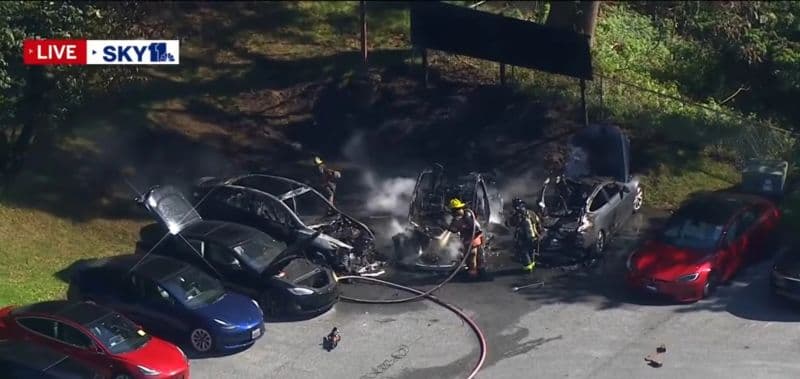
24 June 2026, Owings Mills, Maryland: Four Tesla vehicles caught fire at a Tesla dealership. HAZMAT teams assisted with cooling and monitoring the area. No injuries or community hazards were reported.
24 June 2026, Sacramento County, California: A salvage yard fire damaged at least 15 vehicles. The incident was treated as hazardous because two vehicles were electric, with monitoring for battery involvement and contaminated water runoff.
29 June 2026, Hagerstown, Maryland: An electric SUV reportedly caught fire at an EVgo charging station. Fire crews protected nearby exposures and allowed the vehicle to burn under controlled conditions due to lithium-ion battery hazards.
1 July 2026, Walt Disney World, Florida: A guest’s portable phone charger caught fire at the “It’s a Small World” attraction. The fire was quickly extinguished, guests were evacuated and no injuries were reported.
15 July 2026, Noida, India: Two people died after a fire in a residential building suspected to have started from an electric vehicle or e-scooter battery being charged. Around 50 families were evacuated or rescued.
26 July 2026, North Berkeley, California: An exterior lithium-ion battery connected to a residential solar setup reportedly caught fire and spread to a nearby palm tree.
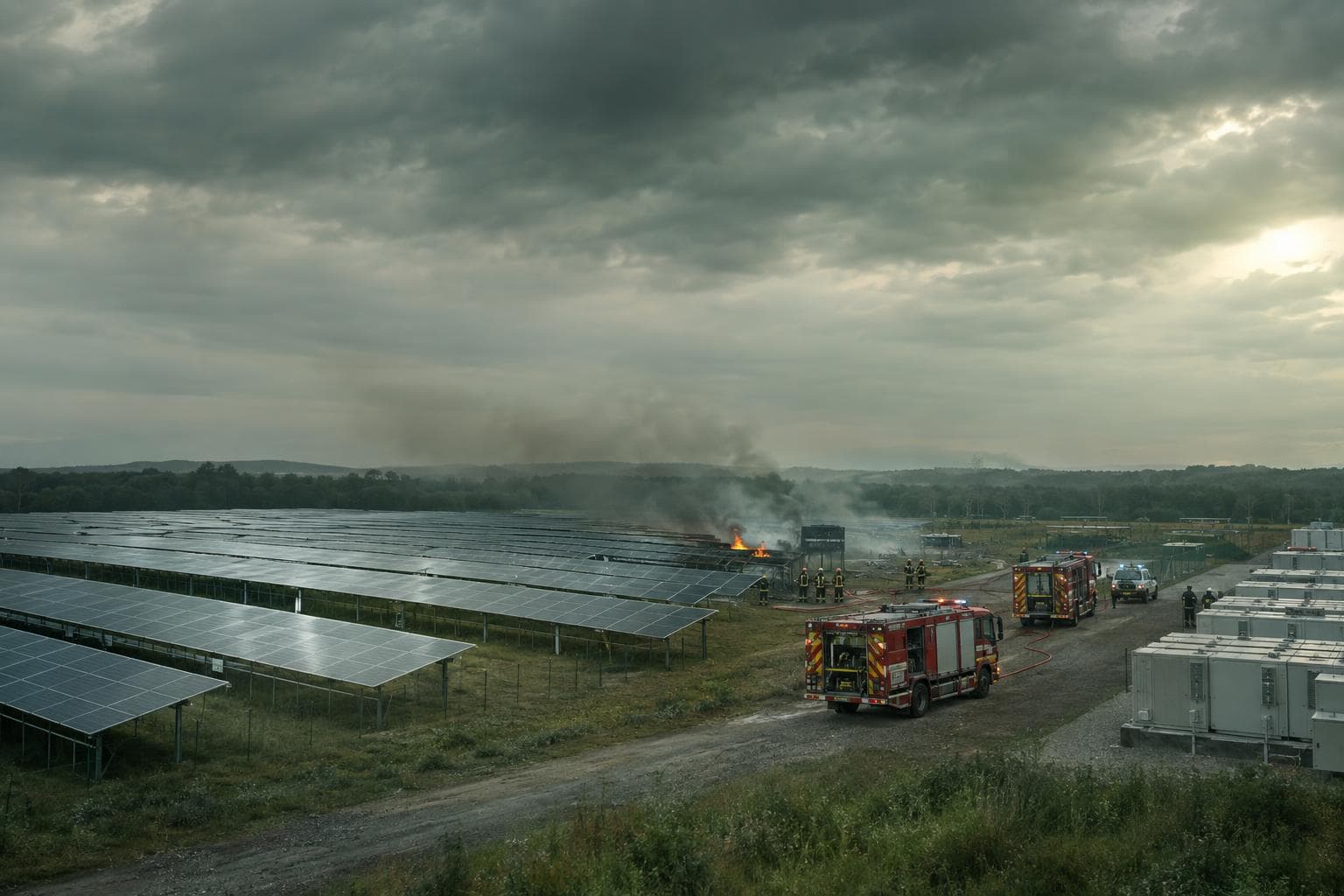
29 July 2026, Visalia, California: A reported residential battery energy storage fire affected a rear garden outbuilding and led to shelter-in-place measures while the risk was managed.
29 July 2026, Mayodan, North Carolina: A lithium-ion battery container fire at a logistics site led authorities to establish an evacuation zone and allow the batteries to burn out under controlled conditions.
5 August 2026, Nonthaburi, Thaila: A 2025 MG electric vehicle reportedly caught fire while charging at a private home. The vehicle was destroyed and a nearby pickup truck was damaged. The final cause remains under investigation.
23 July 2026, Warsaw, Poland: Firefighters battled a large fire at an auto dealership and repair shop, with several vehicles outside also catching fire. The cause was still under investigation, so this should not be presented as a confirmed battery-origin fire.
2 August 2026, Bergen, Norway: Emergency services responded to a reported container fire at Melkeplassen. Police later said the fire was in an e-scooter battery stored near the container, with no reported spread. The fire was extinguished and police opened a case.
3 August 2026, Os, Norway: Emergency services responded to a fire in a parking facility after an electric scooter reportedly caught fire. Fire crews attended the scene, with no injuries initially reported.
4 August 2026, Norway / Kia recall: Kia is recalling around 14,000 Niro EVs globally, including just over 1,000 vehicles in Norway, due to a software issue in the battery management system that may fail to detect battery faults in time. In the worst case, affected cells could overheat and the vehicle could catch fire while charging or parked.
31 July 2026, Kew, Victoria, Australia: A garbage truck was forced to dump its load in Victoria Park after a lithium-ion battery, believed to be from an e-bike, caught fire in the truck’s compactor. Fire Rescue Victoria extinguished the fire, with no injuries and no reported truck damage.
5 August 2026, Clifton Springs, Victoria, Australia: A modified e-bike reportedly burst into flames on Centaurus Avenue. Witnesses said the rider’s clothes also caught fire, but the rider left the scene before police arrived. Emergency services responded and police inspected the burned remains of the e-bike.
Toronto, Canada: Fire officials have warned that lithium-ion battery fires are one of the city’s fastest-growing public fire safety concerns, with recent incidents involving e-bike batteries, apartment buildings and a city-run shelter.
United Kingdom: KCM Waste reported a bin lorry fire after a battery was incorrectly disposed of in general waste, causing vehicle damage, downtime and disruption to waste collection operations.
These cases are different in size, location and consequence. Some involve consumer devices. Some involve vehicles. Some involve charging. Some involve storage. Some are confirmed lithium-ion battery incidents, while others remain under investigation.
The industry cannot rely only on visible smoke, heat, flame or conventional alarms. By that point, the response is already reactive. Earlier detection of abnormal battery behaviour could become an important additional safety layer, helping operators stop charging, isolate assets, quarantine suspect batteries and reduce exposure before an incident escalates.
At EPTTAS, we believe Battery Safety Intelligence™ will become a necessary part of safe electrification.
The goal is not to create fear around lithium-ion batteries. The goal is to make electrification more resilient.
The issue is not that lithium-ion batteries are unsafe in general. They are essential to electrification and most operate safely every day. The concern is that when failures do happen, the consequences can escalate quickly depending on where the battery is located and what surrounds it.
A battery event inside an aircraft becomes an aviation safety issue. A battery fire in an apartment or shelter becomes a public safety issue. A battery fire in a depot, workshop, dealership or charging site can become an operational, insurance and business-continuity issue.
This is why the discussion is changing. Battery safety is no longer only about the battery itself. It is about people, buildings, infrastructure, operations and continuity.
Here are just a few of the cases we have registered from recent public reports and incident lists:
2 June 2026, American Airlines: A passenger e-cigarette began to overheat during a flight from Sydney to Los Angeles.
10 June 2026, American Airlines: A passenger e-cigarette began to overheat and emit smoke during a flight to Dallas/Fort Worth.
12 June 2026, United Airlines: A passenger mobile phone began to overheat during a flight from San Francisco to Pittsburgh.
15 June 2026, British Airways: A portable battery charger caught fire during a flight from London to Las Vegas. Crew used a fire extinguisher and water, and reports noted injury and aircraft damage.
23 June 2026, Southwest Airlines: A passenger electronic device began to overheat and emit smoke during a flight from Dallas to Boston.
24 June 2026, Owings Mills, Maryland: Four Tesla vehicles caught fire at a Tesla dealership. HAZMAT teams assisted with cooling and monitoring the area. No injuries or community hazards were reported.
24 June 2026, Sacramento County, California: A salvage yard fire damaged at least 15 vehicles. The incident was treated as hazardous because two vehicles were electric, with monitoring for battery involvement and contaminated water runoff.
29 June 2026, Hagerstown, Maryland: An electric SUV reportedly caught fire at an EVgo charging station. Fire crews protected nearby exposures and allowed the vehicle to burn under controlled conditions due to lithium-ion battery hazards.
1 July 2026, Walt Disney World, Florida: A guest’s portable phone charger caught fire at the “It’s a Small World” attraction. The fire was quickly extinguished, guests were evacuated and no injuries were reported.
15 July 2026, Noida, India: Two people died after a fire in a residential building suspected to have started from an electric vehicle or e-scooter battery being charged. Around 50 families were evacuated or rescued.
26 July 2026, North Berkeley, California: An exterior lithium-ion battery connected to a residential solar setup reportedly caught fire and spread to a nearby palm tree.
29 July 2026, Visalia, California: A reported residential battery energy storage fire affected a rear garden outbuilding and led to shelter-in-place measures while the risk was managed.
29 July 2026, Mayodan, North Carolina: A lithium-ion battery container fire at a logistics site led authorities to establish an evacuation zone and allow the batteries to burn out under controlled conditions.
5 August 2026, Nonthaburi, Thaila: A 2025 MG electric vehicle reportedly caught fire while charging at a private home. The vehicle was destroyed and a nearby pickup truck was damaged. The final cause remains under investigation.
23 July 2026, Warsaw, Poland: Firefighters battled a large fire at an auto dealership and repair shop, with several vehicles outside also catching fire. The cause was still under investigation, so this should not be presented as a confirmed battery-origin fire.
2 August 2026, Bergen, Norway: Emergency services responded to a reported container fire at Melkeplassen. Police later said the fire was in an e-scooter battery stored near the container, with no reported spread. The fire was extinguished and police opened a case.
3 August 2026, Os, Norway: Emergency services responded to a fire in a parking facility after an electric scooter reportedly caught fire. Fire crews attended the scene, with no injuries initially reported.
4 August 2026, Norway / Kia recall: Kia is recalling around 14,000 Niro EVs globally, including just over 1,000 vehicles in Norway, due to a software issue in the battery management system that may fail to detect battery faults in time. In the worst case, affected cells could overheat and the vehicle could catch fire while charging or parked.
31 July 2026, Kew, Victoria, Australia: A garbage truck was forced to dump its load in Victoria Park after a lithium-ion battery, believed to be from an e-bike, caught fire in the truck’s compactor. Fire Rescue Victoria extinguished the fire, with no injuries and no reported truck damage.
5 August 2026, Clifton Springs, Victoria, Australia: A modified e-bike reportedly burst into flames on Centaurus Avenue. Witnesses said the rider’s clothes also caught fire, but the rider left the scene before police arrived. Emergency services responded and police inspected the burned remains of the e-bike.
Toronto, Canada: Fire officials have warned that lithium-ion battery fires are one of the city’s fastest-growing public fire safety concerns, with recent incidents involving e-bike batteries, apartment buildings and a city-run shelter.
United Kingdom: KCM Waste reported a bin lorry fire after a battery was incorrectly disposed of in general waste, causing vehicle damage, downtime and disruption to waste collection operations.
These cases are different in size, location and consequence. Some involve consumer devices. Some involve vehicles. Some involve charging. Some involve storage. Some are confirmed lithium-ion battery incidents, while others remain under investigation.
The industry cannot rely only on visible smoke, heat, flame or conventional alarms. By that point, the response is already reactive. Earlier detection of abnormal battery behaviour could become an important additional safety layer, helping operators stop charging, isolate assets, quarantine suspect batteries and reduce exposure before an incident escalates.
At EPTTAS, we believe Battery Safety Intelligence™ will become a necessary part of safe electrification.
The goal is not to create fear around lithium-ion batteries. The goal is to make electrification more resilient.