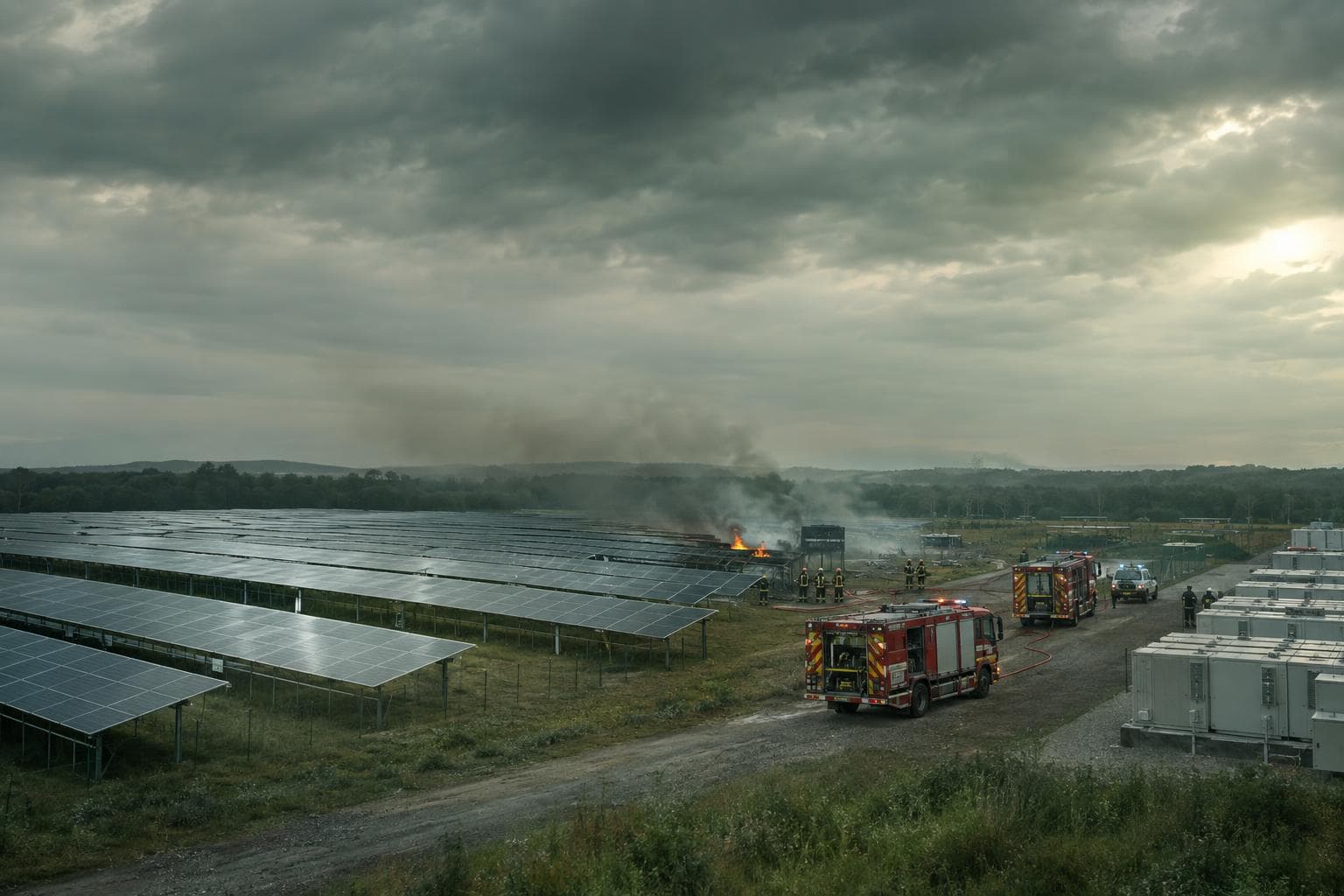
The battery industry has become exceptionally good at talking about performance. Whether the product is an electric bus, an e-bike, a battery energy storage system, or a commercial vehicle, the conversation typically focuses on the same measurable factors: range, capacity, charging speed, expected lifetime, warranty period, and cost. OEMs, battery suppliers, distributors, and resellers compete aggressively on these factors because they are easy to compare, easy to communicate, and central to the buying decision.
For buyers, these metrics provide a simple framework for evaluating competing products. But as electrification moves from pilot projects to large-scale deployment, the conversation is beginning to change. A growing number of fleet operators, infrastructure owners, insurers, and financiers are asking a broader question: how safe are these batteries in real-world operation?
Historically, battery agreements have been built around performance guarantees and warranty terms. If a battery fails to meet a specified capacity target, experiences excessive degradation, or develops an issue during the warranty period, the agreement defines how responsibility is handled. This model has worked reasonably well when batteries represented a smaller operational risk and when electric fleets were still limited in scale.
Today, the situation is different. Batteries now power bus fleets, logistics vehicles, ferries, charging hubs, micromobility networks, and large energy storage systems. A single battery issue can affect operations, infrastructure, insurance exposure, public trust, and business continuity. As a result, many stakeholders are discovering that traditional agreements often answer questions after a problem has occurred, while providing limited visibility into what was happening before it happened.
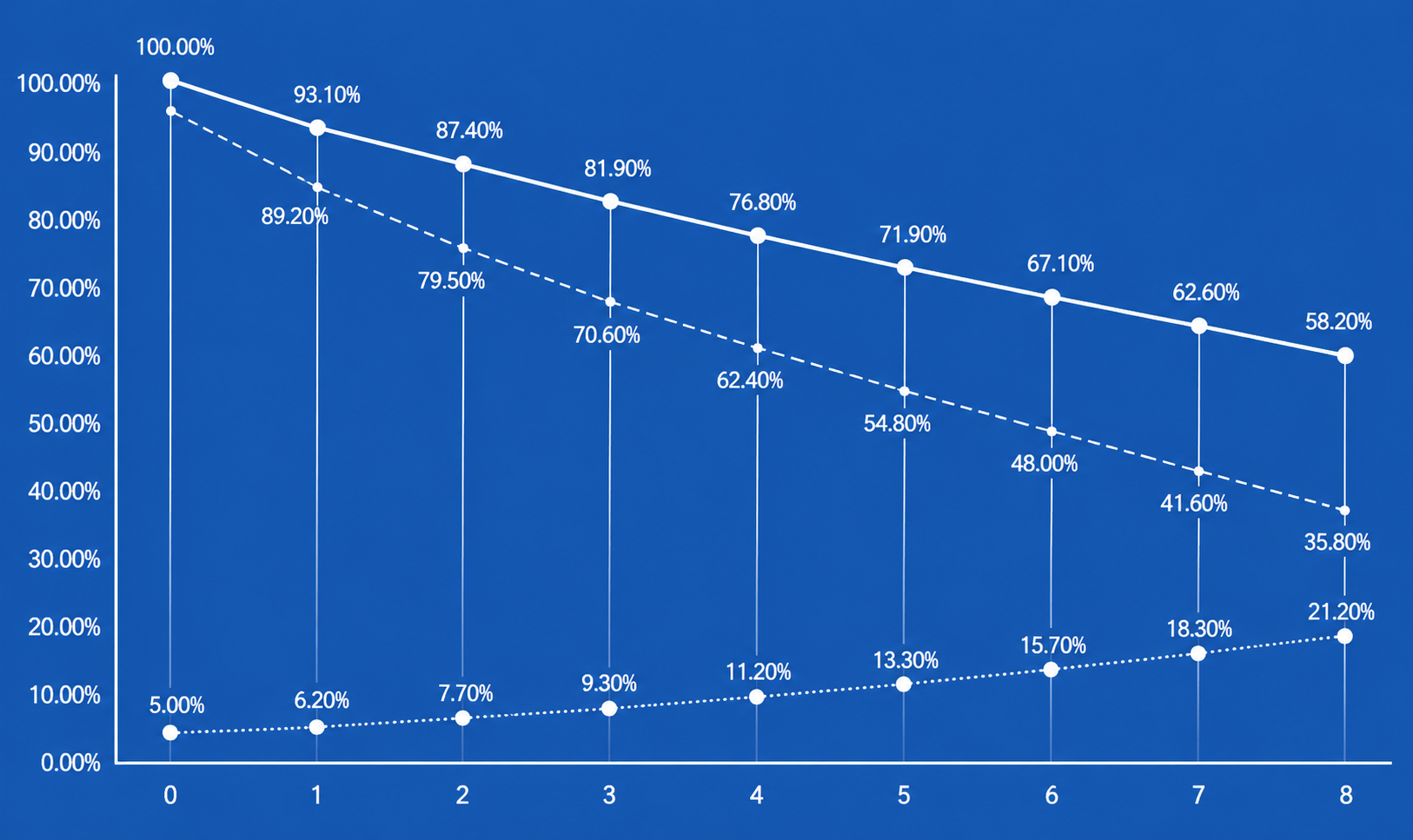
What is changing is not simply regulation or technology. It is expectations. Operators increasingly want more than a statement in a contract saying that a battery system is safe. They want evidence. Insurers want a better understanding of battery-related risk exposure. Infrastructure owners want confidence that batteries are being operated safely within their facilities. Financiers and leasing companies want greater visibility into the condition and behaviour of assets that may remain in service for many years.
The industry is slowly moving from contractual trust toward operational transparency. Safety is becoming something that must be demonstrated, not simply declared.
Battery systems generate vast amounts of operational data. Charging behaviour, temperature exposure, duty cycles, usage patterns, and degradation trends all provide valuable insight into battery condition over time. The challenge is that much of this information remains fragmented or difficult to interpret. Having data is not the same as understanding risk. What stakeholders increasingly need is the ability to convert battery data into explainable intelligence that supports operational and commercial decisions.
This is where Battery Safety Intelligence becomes important.
At EPTTAS, we believe Battery Safety Intelligence™ is becoming the missing link between battery performance and battery accountability. Rather than focusing only on what a battery was designed to do, Battery Safety Intelligence helps stakeholders understand how batteries are actually behaving in operation.
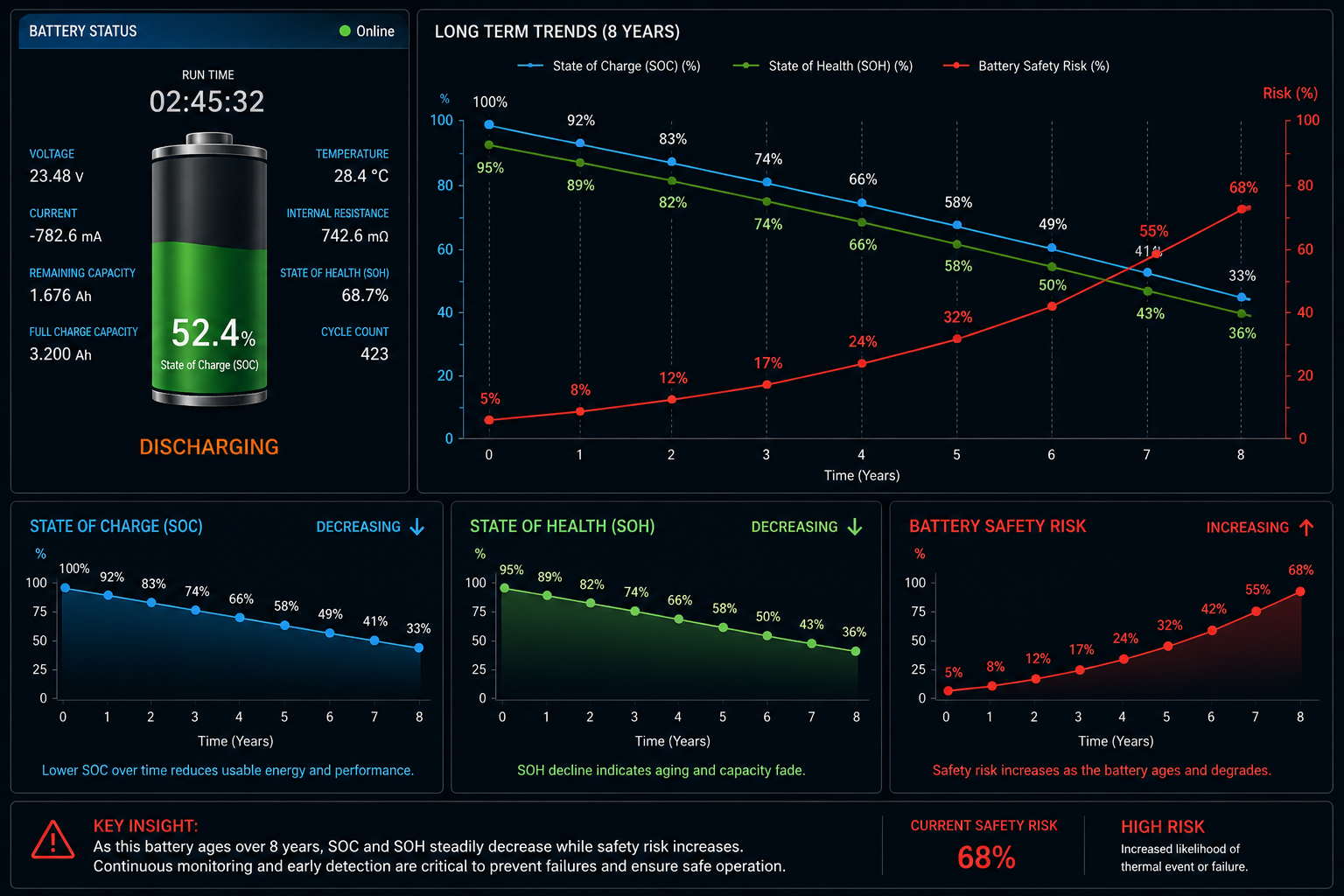
By combining battery telemetry, operational context, and physics-informed analytics, EPTTAS converts battery data into explainable risk scores, alerts, and diagnostic insights. The objective is not to replace existing Battery Management Systems, but to provide an independent supervisory layer that helps operators identify emerging battery instability before conventional alarms become visible.
This creates something increasingly valuable across the battery ecosystem: confidence. Confidence for suppliers that their products can be assessed against real operational conditions. Confidence for operators that they can understand which assets require attention. Confidence for insurers that risk is being monitored and documented. Confidence for infrastructure owners that electrified systems are being managed with greater visibility.
As electric fleets continue to grow, supplier agreements are likely to evolve alongside them. Performance, range, capacity, and warranty terms will remain important, but they may no longer be sufficient on their own. The next generation of agreements is likely to place greater emphasis on visibility, accountability, and operational understanding. Stakeholders will increasingly want evidence-based insight into battery behaviour rather than relying solely on assumptions, certifications, or contractual language.
The future may not be defined by who offers the longest warranty. It may be defined by who can provide the greatest confidence in how batteries perform and behave throughout their lifecycle.
That is where Battery Safety Intelligence has the potential to create value for every stakeholder in the electrification ecosystem.