The Bekasi depot fire
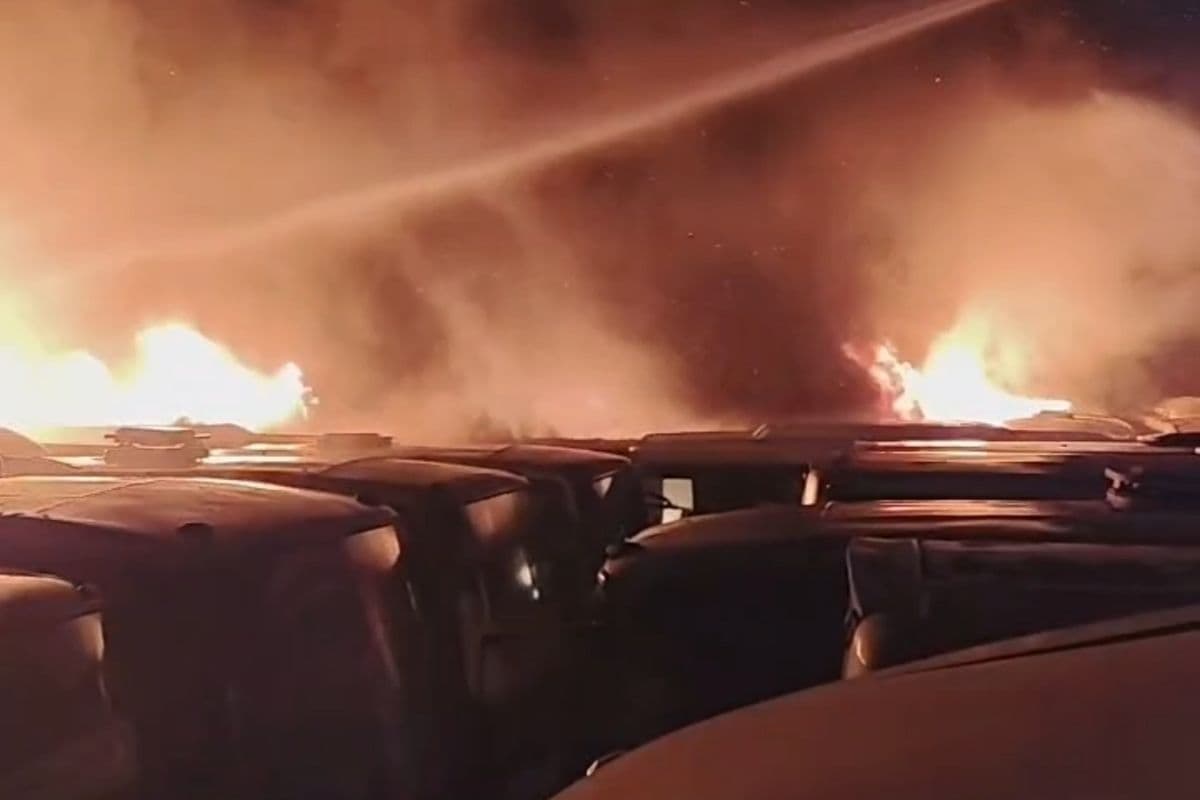
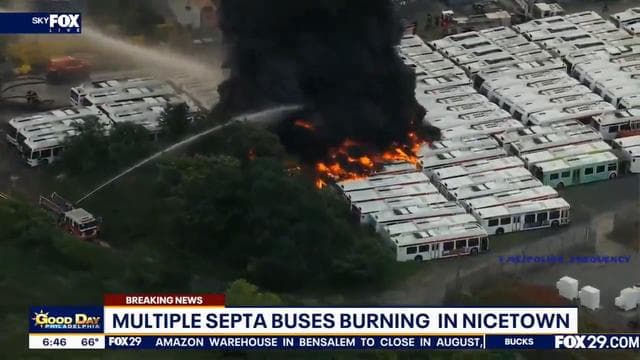
On18 August 2026, a major fire at the Sinar Jaya bus depot in Bekasi, Indonesia, destroyed around50 busesafter flames spread rapidly through vehicles parked only30–50 cm apart. tigation. The incident provides a powerful illustration of thespread factor— how one fire in a densely packed depot can expose an entire fleet.
Incident source:50 Bus Sinar Jaya Hangus Terbakar di Bekasi, Api Padam Setelah Lima Jam
What if this happened in a fully electric bus or truck depot?
Using a simplified EPTTAS scenario, 50 electric buses or trucks valued at approximately€300,000 eachrepresent €15 million in vehicle assets. Add 50 charging units at approximately€50,000 each, and the immediate exposure reaches€17.5 millionbefore transformers, electrical infrastructure, workshops, depot buildings or neighbouring property are considered.
This is why the consequence of a battery fire cannot be measured only by the value of the vehicle where it starts. In a depot environment, the much larger question is what that vehicle can expose if the incident spreads.
Five dimensions of consequence

Financial:A single €300,000 vehicle loss can become a multi-million-euro event if fire spreads to neighbouring vehicles, chargers, electrical infrastructure and buildings. In the 50-vehicle scenario, €17.5 million of assets are already concentrated at one location before wider property damage is included.
Operational:The disruption may continue long after the fire is extinguished. Vehicles may be withdrawn, routes or deliveries interrupted and the depot itself unavailable during investigation and rebuilding. Replacement electric buses or trucks can require8–12 monthsto procure and manufacture, creating a need for temporary vehicles, alternative facilities or outsourced capacity.
Environmental:The consequences include emissions and particulate matter from the fire, firefighting water and contaminated runoff, as well as the additional footprint of manufacturing and transporting replacement batteries and vehicles. EPTTAS' environmental modelling also considers replacement operations and the wider emissions created after the initial incident.
Safety:Large depot fires can expose firefighters, employees and nearby communities to prolonged heat, smoke and hazardous gases. Earlier warning can therefore provide value far beyond protecting physical assets by creating more time for isolation, evacuation and emergency preparation.
Reputation:A serious depot fire can affect confidence among customers, passengers, authorities, insurers, investors and contracting bodies. The consequences may continue long after the vehicles and buildings have been replaced, making resilience and prevention increasingly important for fleet operators.
See content credentials

The realconsequence is the spread factor
This is one of the main focus areas ofEPTTAS Battery Safety Intelligence™. EPTTAS combines battery and BMS data, physical battery signals, advanced analytics, artificial intelligence and machine learning to identify abnormal behaviour and developing battery risk while preventive action may still be possible.
For a depot containing 50 electric buses or trucks, earlier warning is therefore not simply about protecting one €300,000 vehicle. It can potentially protect€17.5 million of fleet and charging assets, months of operations, the environment, the company's reputation and, most importantly, people.