Burgos and the Real Risk Inside a Depot
Burgos shows how vulnerable a city becomes when too many buses, trucks, e-scooters, service vehicles, and maintenance functions are concentrated in one depot. The core risk is not only the first vehicle that catches fire, but how quickly that fire can spread to nearby vehicles, buildings, workshops, and critical infrastructure.
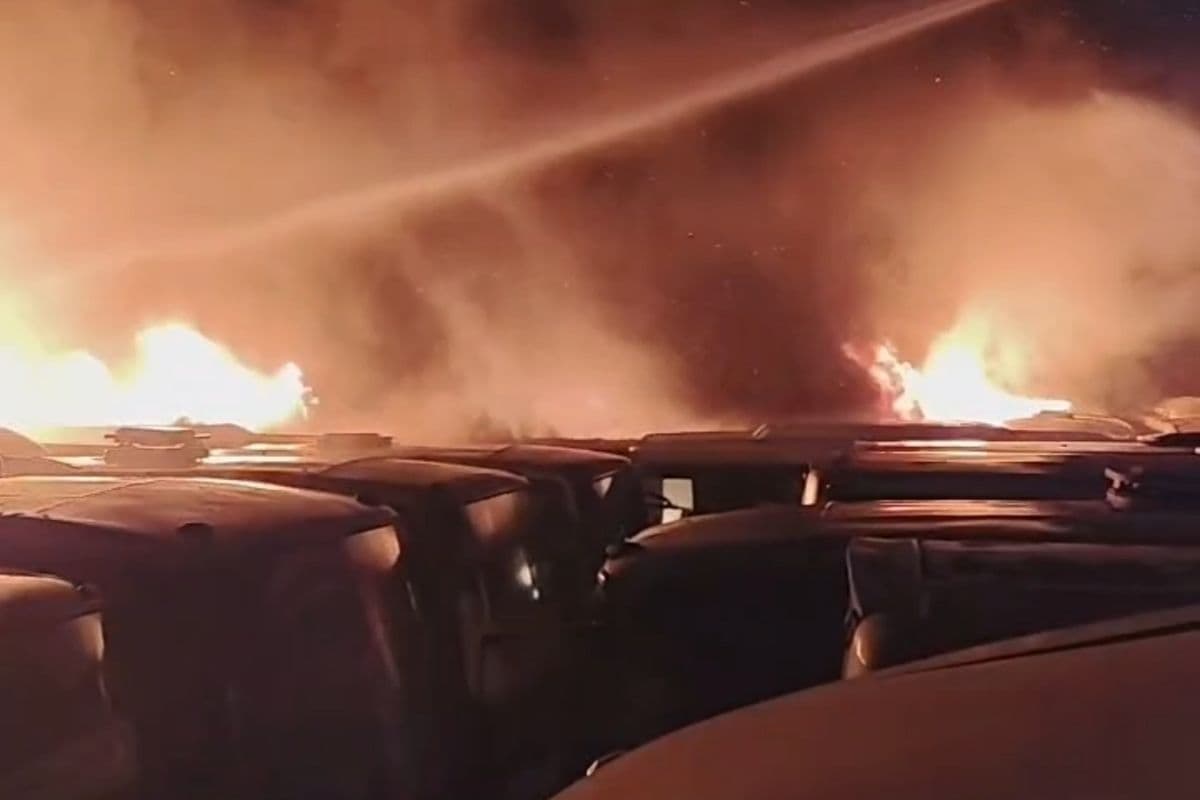
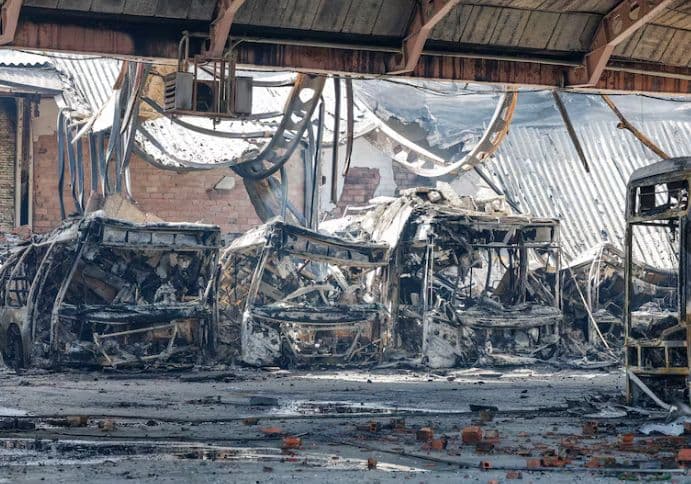
In the early hours of 21 April 2026, a fire tore through Burgos’s municipal bus depot on Carretera de Poza and severely disrupted the city’s transport system. By the time the fire was under control, 39 of the city’s 75 urban buses had been destroyed or rendered unusable, while the main depot building and workshop also suffered major damage. One driver was treated for mild smoke inhalation after trying to move vehicles, but no serious injuries were reported.
Why This Was More Than a Vehicle Fire
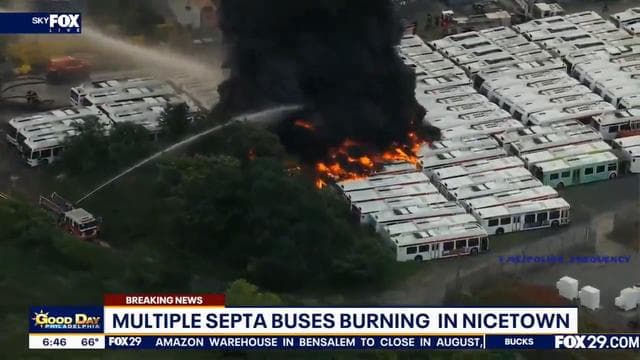
The main lesson is about concentration and spread. When a large number of vehicles are stored, maintained, charged, repaired, or parked close together in a single location, one ignition event can stop being local very quickly. A depot fire is rarely just a vehicle fire. It can become a site-wide incident that affects fleets, buildings, tools, maintenance capacity, spare parts, power systems, and daily operations all at once.
How Fire Becomes a Cascade
That is what makes these incidents so costly. The first loss is the vehicle where the fire starts. The second is the nearby vehicles parked close enough for the fire to jump. The third is the surrounding infrastructure: the workshop, bays, equipment, roofing, electrical systems, and operational space that keep a fleet running. Once that happens, the damage is no longer limited to asset loss. It becomes a service continuity problem.
The Depot Resilience Lesson
This is why the Burgos fire should be seen first as a depot resilience story. The key issue is how a single incident in a dense, shared operational space can cascade across an entire transport system. Whether the vehicles are buses, trucks, vans, or micromobility fleets such as e-scooters, the principle is the same: concentration increases exposure, and close spacing increases the chance of spread.
What Operators and Cities Should Take From It
For operators and city authorities, the practical takeaway is straightforward. Depots should be treated as critical infrastructure, not just parking and maintenance space. Fire detection, vehicle spacing, compartmentation, material choices, roof design, workshop separation, access for emergency response, and continuity planning all matter because they determine whether one fire remains contained or becomes a system-level failure.
The Bottom Line
Burgos is a reminder that resilience is not only about how many vehicles a city has. It is also about how those vehicles and facilities are arranged, protected, and separated. The real risk is the spread factor: one vehicle, then the next row, then the building, then the infrastructure that supports the entire fleet.