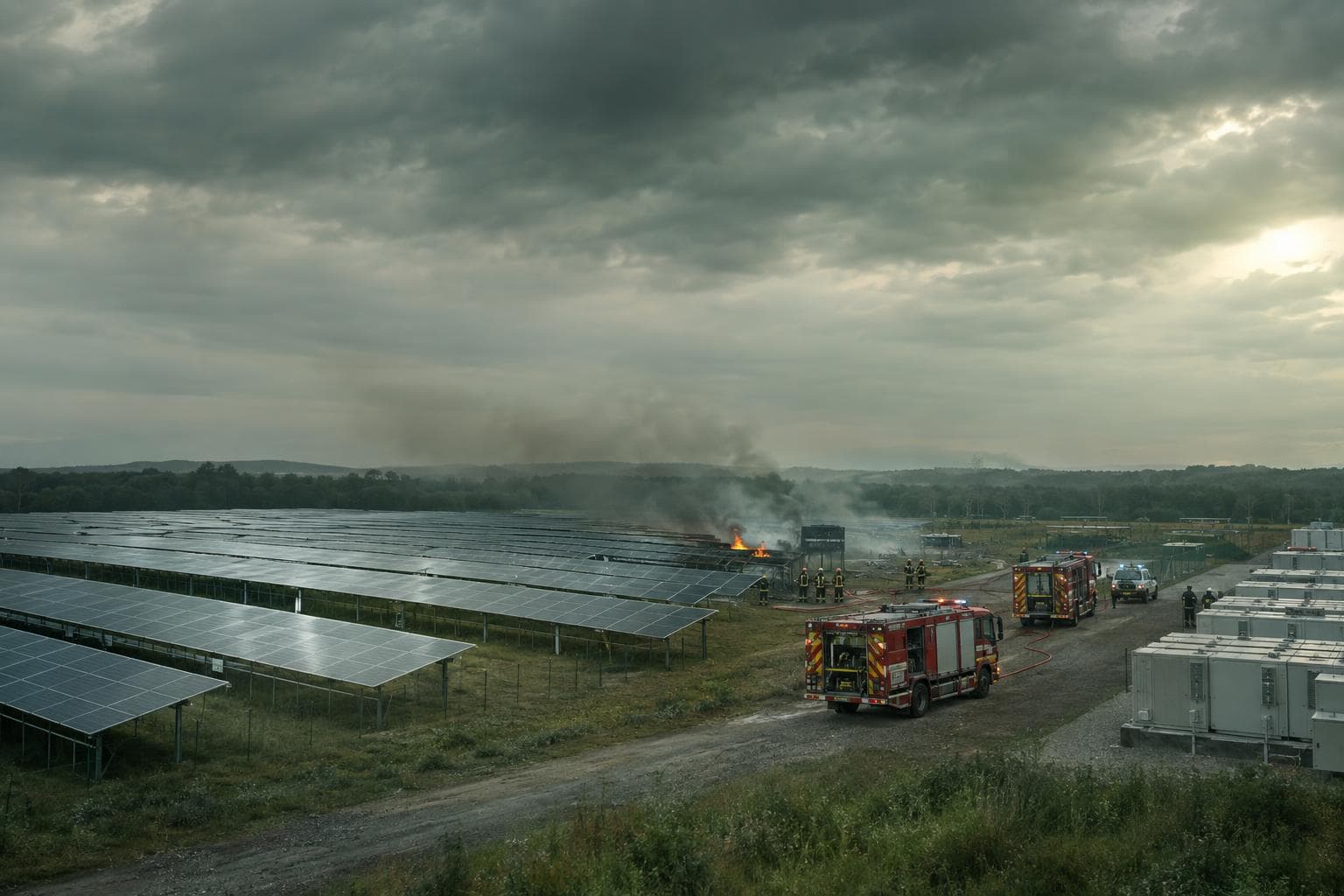
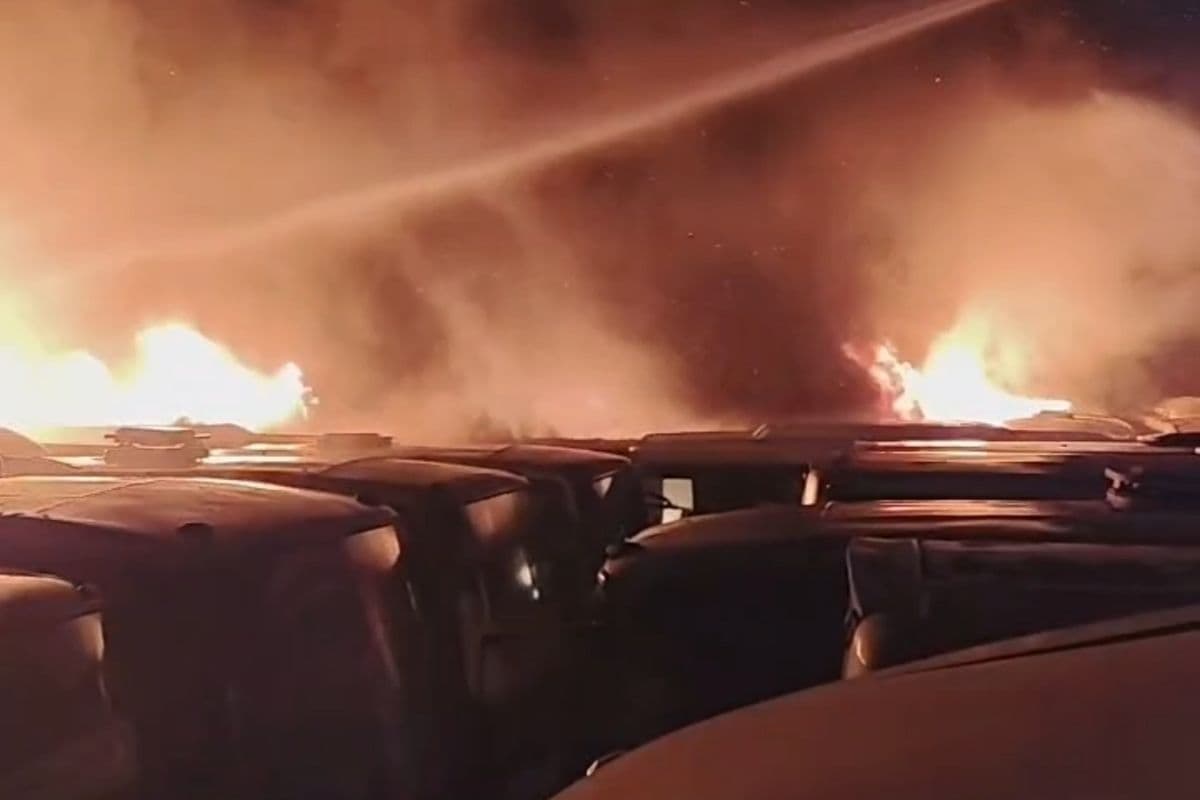
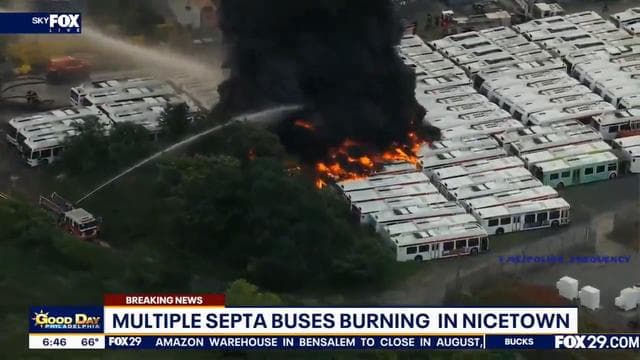
In March 2024, a depot fire in Bekasi, Indonesia, destroyed around 50 buses. The incident was not an electric-vehicle thermal runaway. It is still a useful reference for battery safety because it shows how a single site event can remove a large part of an operating fleet in hours.
If the same depot had been filled with battery-electric buses, the exposure would not have been limited to vehicle hulls. Stored energy, charging infrastructure, neighbouring assets and contaminated runoff would all have entered the event. Recovery time, insurance questions and public-trust impact would have been larger.
EPTTAS publishes this as a factual incident analysis, not as speculation about blame. The operational lesson is straightforward: battery-dense sites need a preventive intelligence layer that makes developing risk visible before one failure becomes a wider disruption.