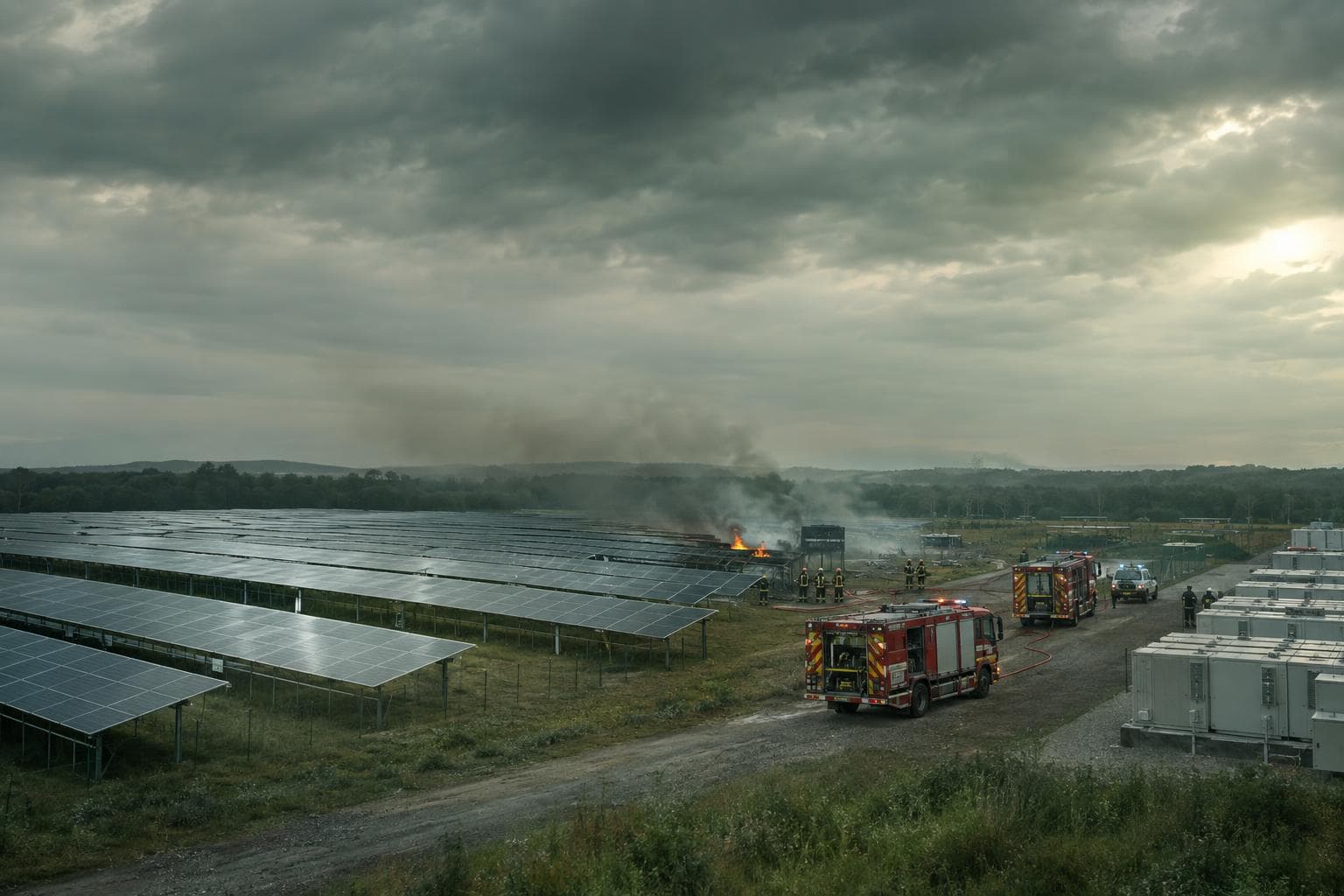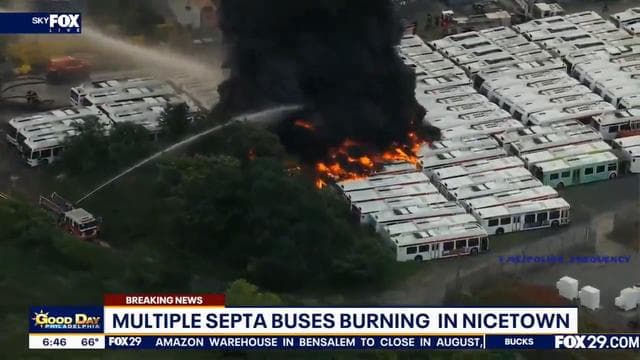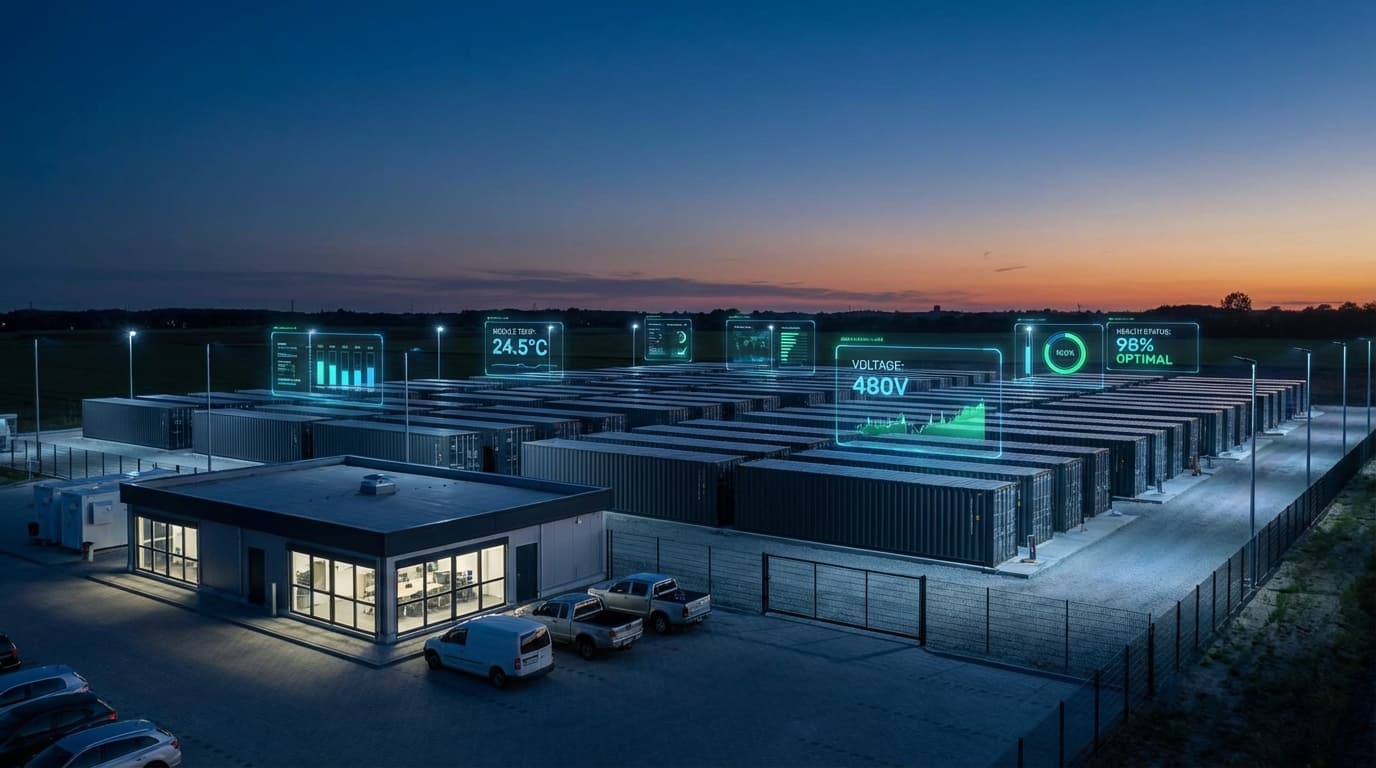
If you operate, insure, or invest in energy storage, here’s the practical reality: BESS safety analytics is quickly becoming the baseline for credible risk management, especially when fire risk is part of the conversation. Codes, standards, and one-off audits still matter. But they don’t tell you how a system behaves on a Tuesday in August, after a year of cycling, during a heatwave, or following a control change. That gap between “designed to be safe” and “operating safely, every day” is where risk builds, and where insurers see uncertainty. This is why the industry is shifting toward continuous, data-driven oversight that turns operational data into battery safety intelligence you can act on.
BESS is critical infrastructure, and the bar for proof is higher
BESS projects are larger, more valuable, and more interconnected with grid reliability than they were even a few years ago. As portfolios scale, the scrutiny scales with them. When something goes wrong, the questions come fast:
What changed before the event?
Were there early signals that were missed?
What controls were in place, and were they working as intended?
For underwriters and asset owners, the issue isn’t just the event itself. It’s whether the risk was measurable and managed beforehand.
In short: safety is now an operational discipline, not a paperwork milestone.
Why traditional BESS risk assessment leaves blind spots
Most traditional approaches rely on:
design documentation and certifications
compliance with codes and standards
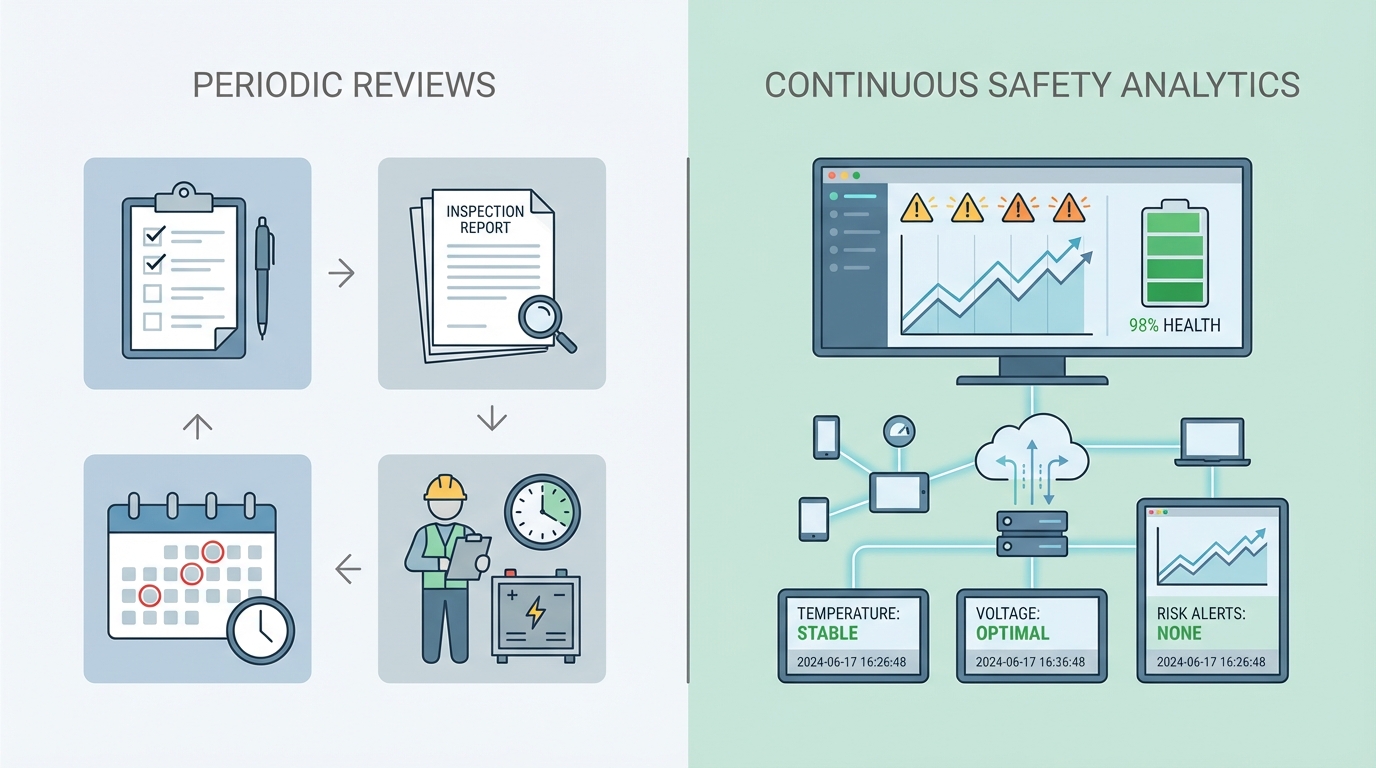
periodic inspections and audits
incident history, if it exists
These inputs are necessary. They’re also static. They explain how the system should behave under expected conditions. They don’t show how it actually behaves under:
real loads and duty cycles
temperature swings and site-specific conditions
aging effects and degradation drift
software updates and control interactions
That limitation matters in different ways, depending on your seat:
Operators may not see small issues until they become operational problems.
Insurers are left pricing risk with limited visibility between inspections.
Investors face uncertainty about long-term availability, downtime risk, and asset value.
The result is a reactive model, where risk is often recognized after safety margins have already narrowed.
The shift: from assumptions to evidence
The strongest risk programs in energy storage are moving toward an evidence-based model. Instead of relying mostly on snapshots, operators are building continuous oversight into day-to-day operations. Done well, this approach lets you:
quantify risk continuously, not only after an event
catch weak signals before they escalate
document preventive actions in a way that’s easy to review
show that safety controls are working over time
This is the point many teams miss: data isn’t the output. Decisions are. The goal isn’t more dashboards. The goal is earlier, clearer action.
What “battery safety intelligence” looks like in practice
Battery safety intelligence means turning operational battery data into risk insight that is specific, timely, and usable. In practical terms, that includes the ability to:
spot abnormal degradation pathways early
detect imbalance or stress patterns across cells, strings, and systems
track deviations from expected operating envelopes
understand how aging, environment, and usage combine to change risk
This is where the conversation connects directly to battery fire prevention. Fire events rarely appear out of nowhere. Many teams see leading indicators first, but those signals can be subtle and easy to miss if you’re only watching for clear fault alarms. A safety-intelligence approach helps you see drift before it turns into an incident. It also helps you prove that you saw it, and what you did about it.
Representative example: how analytics builds insurance confidence
Consider a representative large-scale BESS operator with sites across multiple regions. Instead of relying on fault alarms and periodic reviews, the operator implements continuous monitoring focused on battery behavior. Over time, they gain:
earlier visibility into abnormal degradation and imbalance trends
time-stamped documentation of interventions and follow-up outcomes
stronger confidence in safety margins across the fleet
When it’s time to engage insurers, that record changes the discussion. Rather than only pointing to certifications and historical claims data, the operator can show:
what risk indicators were tracked
which thresholds triggered investigation
what preventive actions were taken
how trends improved after intervention
For insurers, that reduces uncertainty about how risk is managed between formal assessments. For the operator, it supports better underwriting conversations and more defensible terms. The value here isn’t “more monitoring.” It’s more proof of control.
A new model of collaboration between operators and insurers
As BESS portfolios scale, insurance and operations can’t stay in separate lanes. Insurers want confidence that safety claims reflect operational reality. Operators want insurance models that reflect the quality of risk management, not just broad category assumptions. That’s driving a more practical collaboration:
operators share anonymized, behavior-level insights
insurers gain a clearer view of real operational risk
both sides move from claims response to loss prevention
BESS safety analytics becomes the shared language, because it translates battery behavior into signals that both engineering teams and underwriting teams can evaluate.
Predictive analytics, and why it matters for thermal runaway prevention
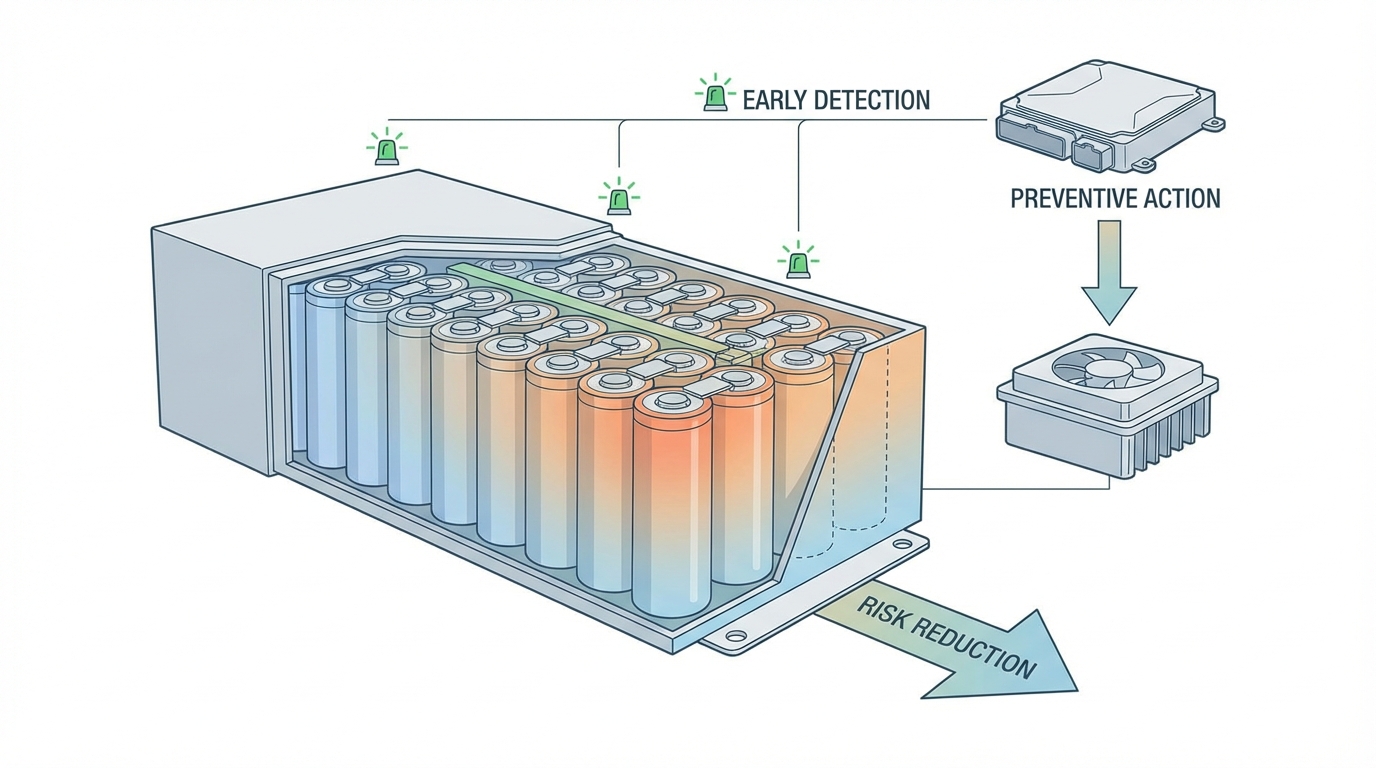
A major advantage of analytics-driven oversight is the ability to move from “what failed?” to “what’s trending in the wrong direction?” This matters for thermal runaway prevention because the goal is to intervene while you still have options. Predictive approaches can support:
earlier identification of emerging degradation pathways
pattern recognition across fleets and similar configurations
better planning for maintenance and targeted investigations
decisions that balance availability, performance, and risk
The operational payoff is straightforward: fewer surprises, fewer forced outages, and a clearer basis for deciding when to intervene.
Insurance optimization starts with reducing uncertainty
Insurance pricing is tied to uncertainty. The less predictable the risk, the more conservative pricing tends to be. Continuous safety intelligence helps reduce uncertainty by providing:
ongoing visibility into system behavior
evidence of proactive risk management
documentation that safety-critical processes are being controlled over time
This doesn’t eliminate risk. It makes the risk legible and defensible.
A simple way to summarize it:
Compliance tells you the system meets requirements at a point in time.
Safety intelligence shows you the system is being managed safely over time.
That difference is increasingly central to insurability.
From compliance to strategic advantage
In a market where safety, insurance, and asset value are tightly linked, analytics isn’t just a safety function. It’s a business function.
For operators, it strengthens control and reduces operational volatility.
For insurers, it supports more accurate risk differentiation.
For investors, it improves confidence in long-term performance and value retention.
The takeaway: As battery energy storage becomes core infrastructure, continuous, evidence-based risk management is becoming the standard. BESS safety analytics is how you get there, and battery safety intelligence is what you use to act.